Children don't always realize they're having trouble seeing. In fact, many assume that everyone sees the way they do. That's why vision problems often go unnoticed?especially in school-aged children. The American Optometric Association reports that vision plays a critical role in learning, making early detection essential. If you're wondering whether your child could have a vision issue, here are key signs to watch for.
KEEP READING

What Is Myopia? Myopia occurs when the eye grows too long from front to back. This causes light entering the eye to focus in front of the retina instead of directly on it. The result? Clear near vision Blurry distance vision Children with myopia may squint to see the board at school, sit very close to the TV, or complain that distant objects look blurry.
KEEP READING

Virtual reality (VR) and augmented reality (AR) are becoming more common in schools, gaming, and entertainment. While these technologies offer exciting learning and play experiences, they can also pose risks especially for children and teens whose eyes are still developing.
KEEP READING
January is a time for fresh starts and healthy habits and your child's vision should be part of that plan. Regular pediatric eye exams play a critical role in supporting learning, development, and overall well-being. Because children don?t always recognize or communicate vision problems, routine comprehensive eye exams are essential even if they pass a school screening.
KEEP READING

When a child struggles in school, we often think of attention issues, learning differences, or lack of effort. But one commonly overlooked factor is vision. Clear eyesight alone (like passing a 20/20 screening) does not guarantee that a child?s visual system is functioning efficiently. Vision involves much more than seeing clearly it includes eye tracking, focusing, and eye teaming skills that are essential for learning.
KEEP READING

Screens are now part of everyday life from schoolwork and office tasks to social media and streaming. But increased screen time has led to a growing problem: digital eye strain. Also known as computer vision syndrome, digital eye strain occurs when the eyes become fatigued from prolonged use of digital devices such as computers, tablets, and smartphones.
KEEP READING
When a child struggles with reading or falls behind in school, we often look first at phonics, attention, or motivation. But there's another important piece of the puzzle that is frequently overlooked: binocular vision. Binocular vision deficits can significantly impact reading, comprehension, and overall academic performance, yet many children (and even adults) go undiagnosed. Let?s break it down.
KEEP READING
Parents often feel reassured when their child passes a school vision screening. It?s natural to think this means your child?s eyes are healthy and their vision is just fine. But here?s the truth: while school screenings play an important role, they?re not a substitute for a comprehensive eye exam.
KEEP READING
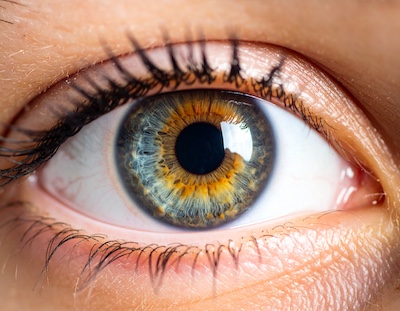
Myopia Control: Why It?s Important and the Long-Term Risks Myopia, or nearsightedness, is one of the most common and fastest-growing vision problems in children. What may seem like a simple need for glasses can carry serious long-term risks if left unchecked. Fortunately, modern optometry offers proactive ways to slow its progression and protect your child?s future vision. What Is Myopia? Myopia occurs when the eye grows too long from front to back, causing light to focus in front of the retina instead of directly on it. This results in blurry distance vision things far away look out of focus, while close-up objects remain clear. In most cases, myopia starts in childhood and tends to worsen over time, especially during school-age years when the eyes are still growing.
KEEP READING
.jpg)
As back-to-school season approaches, most parents check off supplies, clothes, and class schedules but overlook one of the most critical tools for academic success: clear vision. Vision Drives Learning: Studies show that up to 80% of classroom learning is visual. Reading, writing, using computers, and even participating in sports all depend on strong visual skills. When a child struggles to see clearly, their ability to learn, focus, and stay confident can quickly unravel. Hidden Vision Problems: Many children don?t know they?re seeing poorly. They assume everyone else sees the way they do. Signs like squinting, sitting too close to screens, frequent headaches, or avoiding reading can easily be mistaken for behavioral issues or learning difficulties. And here?s the kicker: school vision screenings often miss the most common vision problems. These quick checks typically test only for distance vision not how well the eyes work together, trac
KEEP READING